
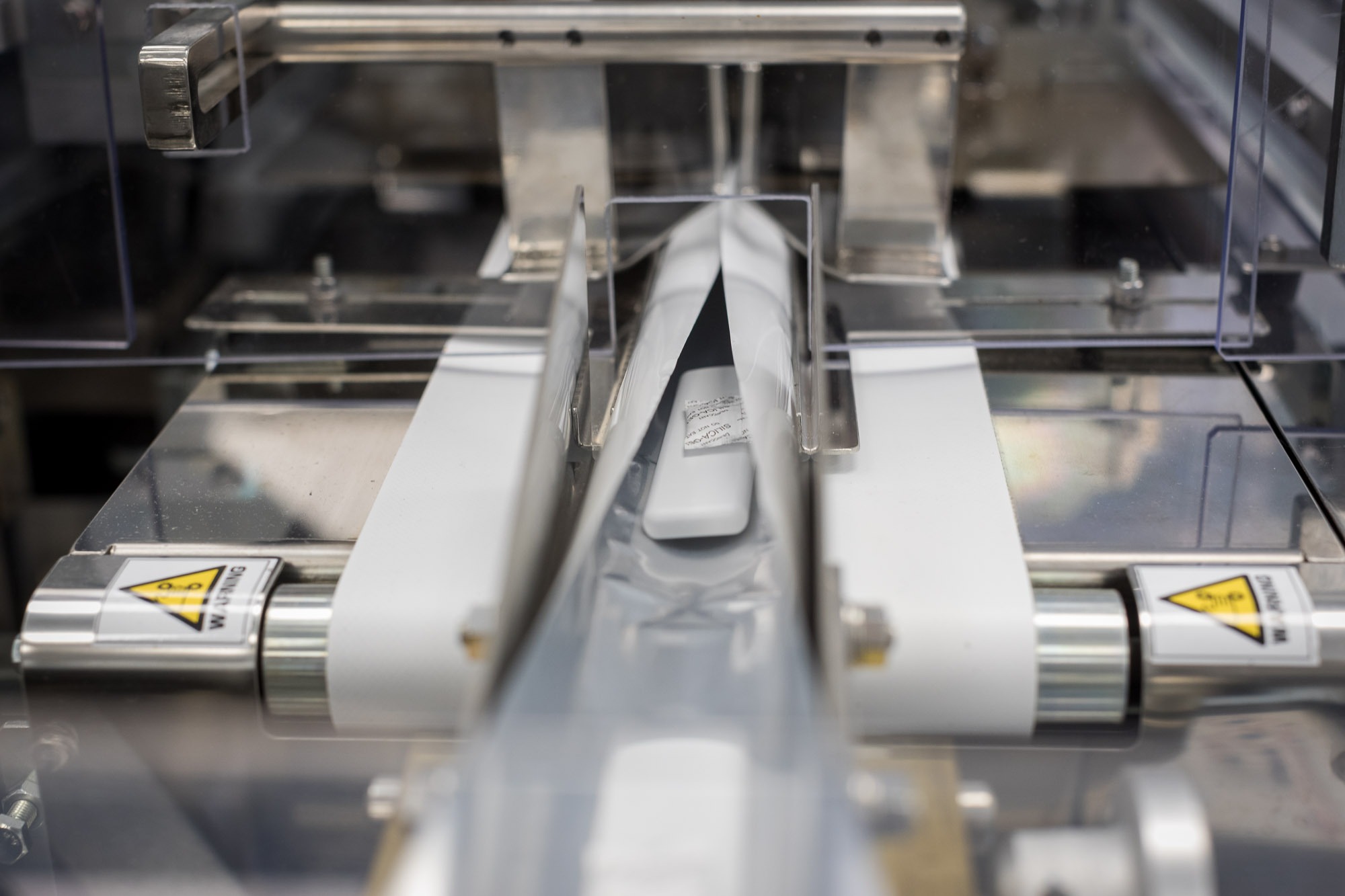
The COVID-19 pandemic has escalated demand for lateral flow tests placing more pressure on rapid test owners: the market is projected to reach USD 10.2 billion (marketsandmarkets.com). Whether rapid test owners are established or emerging, outsourcing is a strategy that can accelerate growth. Moreover, businesses who partner with a lateral flow test contract manufacturer find they can focus on staying competitive and identifying opportunities.
De-risking operational activities and costs
Many organisations’ first instinct maybe to increase in-house manufacturing capabilities for their new product(s). However, demands on a business can soon mount up and the burden can become acute when unforeseen events arise.
Outsourcing rapid test manufacturing alleviates pressure from a test owners or in-house manufacturers who operate at a low volume. Teams are free to concentrate efforts on developing the business through increased output and revenue. This can be achieved through:
- The development of new products.
- More time to identify opportunities in the market.
- Increased bandwidth to concentrate on the internal staff development and recruitment plans.
It is important for rapid test owners to protect cashflows while ensuring they maximise revenues. Outsourcing is an effective strategy for moving the capital off the balance sheet, without impacting your company’s ability to deliver on its business plan. Furthermore, outsourcing provides your company with the flexibility to increase production and respond quickly to spikes in demand.
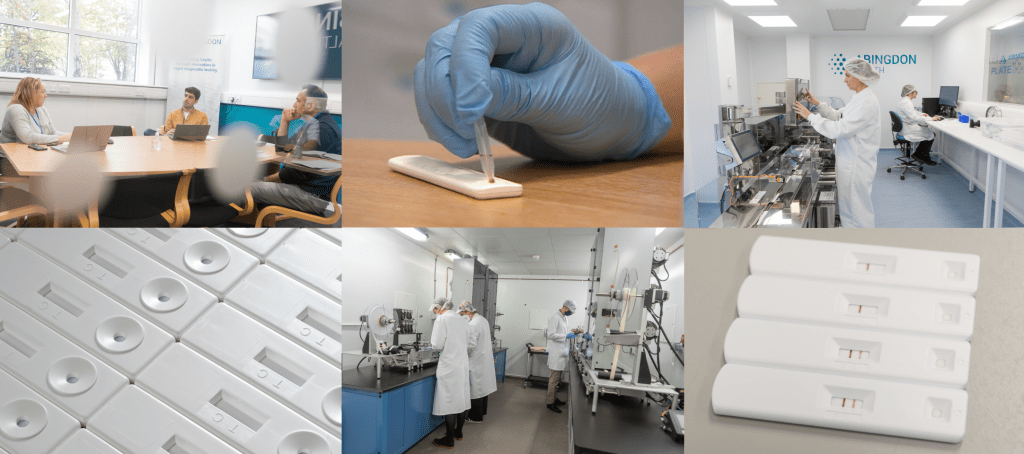
Handing over the high costs of labour and equipment to your outsourcing partner can also save you time and money compared to manufacturing rapid tests in-house. In addition, removing operational and capital costs from the P&L can positively impact the total costs of goods sold (COGS) especially early on in a product’s lifecycle.
Employee turnover in life sciences can be high. Regardless of size, the threat to rapid test owners of employee departure is always there. There are risks associated when employees with specific knowledge move on. Not only are in-house operations negatively impacted in the short term, but there are also long-term risks when replacements are being recruited and trained. Potentially, capabilities are significantly diminished over time.
The manufacture of reliable and quality lateral flow tests requires specialist skills and equipment. A good lateral flow contract manufacturer builds breadth and depth across its workforce and is continually recruiting and developing their teams. By outsourcing, you are gaining quick and on-demand access to experienced and specialist staff.